
Elevator Modernization: Technical Guide For Older Vertical Transportation Upgrades
Elevator modernization (retrofit) upgrades ageing vertical transport systems without rebuilding the hoistway. Compared with full elevator replacement, modular retrofitting is often more cost-effective for old passenger, medical and commercial elevators. Property owners retain the original shaft, guide rails and car frame while boosting safety, ride comfort, energy efficiency and smart operation.
3 Main Retrofit Solutions
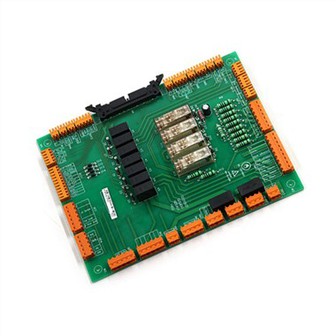
Partial Component Retrofit (Most Common) Only worn electrical and control parts are replaced, keeping mechanical structures intact. Upgrades usually include new microprocessor controller, VVVF drive, door operator and safety parts. This option features short construction time and lower investment.
Modular System Upgrade Replace old geared traction machines with PMSM gearless traction machines, plus regenerative drives and IoT monitoring modules. It greatly cuts noise and power consumption, ideal for mid-rise offices and premium residences.
Full Elevator Replacement Selected for heavily corroded systems or damaged pit/overhead structures. Highest cost and longer construction period.
Core Technical Upgrades
Control & Drive: Digital microprocessor controllers offer precise speed regulation and fault diagnosis. VVVF drives deliver smooth rides. Regenerative drives recycle braking energy and reduce power use by 30%–50%.
Traction Machine: PMSM gearless machines remove gearboxes, running quieter with less maintenance. Most kits fit the original machine room without major civil work.
Safety Enhancement: Renew overspeed governors, safety gears and anti-unintended movement protection. Add infrared light curtains, emergency automatic rescue devices and emergency intercom.
IoT Predictive Maintenance: Sensors track vibration, temperature and current in real time. Cloud platforms detect faults early, cutting unexpected downtime.
Pre-Retrofit Checklist
Survey hoistway dimensions, pit depth, overhead clearance and load capacity. Check remaining service life of rails, ropes and car structure. Confirm local safety codes and plan construction to minimize building disruption.
Key Benefits
✅ Meet latest safety standards ✅ Smoother, quieter operation and accurate levelling ✅ 30–50% energy savings ✅ Fewer breakdowns and lower maintenance costs ✅ Extend elevator service life by over 20 years ✅ Improve building asset value
Conclusion
Elevator modernization is a systematic upgrade, not just simple part replacement. Owners can choose partial retrofit or full upgrade based on site conditions, budget and traffic demand. Mature retrofit kits and smart monitoring help old elevators meet modern safety, energy and intelligent operation requirements.